

Hey there! If you're in the textile business, you know that air jet spinning machines are a game - changer. As an air jet spinning machine supplier, I've seen a lot of action in the market. One of the most common questions I get from customers is about the difference in production efficiency between air jet spinning machines of different brands. So, let's dive right in and break it down.
Understanding Air Jet Spinning Machines
First off, what exactly is an air jet spinning machine? Well, it's a high - tech piece of equipment that uses compressed air to twist and spin fibers into yarn. It's super fast compared to traditional spinning methods and can produce high - quality yarn with less labor. You can check out more about Air Jet Spinning Machine.
Factors Affecting Production Efficiency
There are several factors that can affect the production efficiency of air jet spinning machines, and these factors can vary from one brand to another.

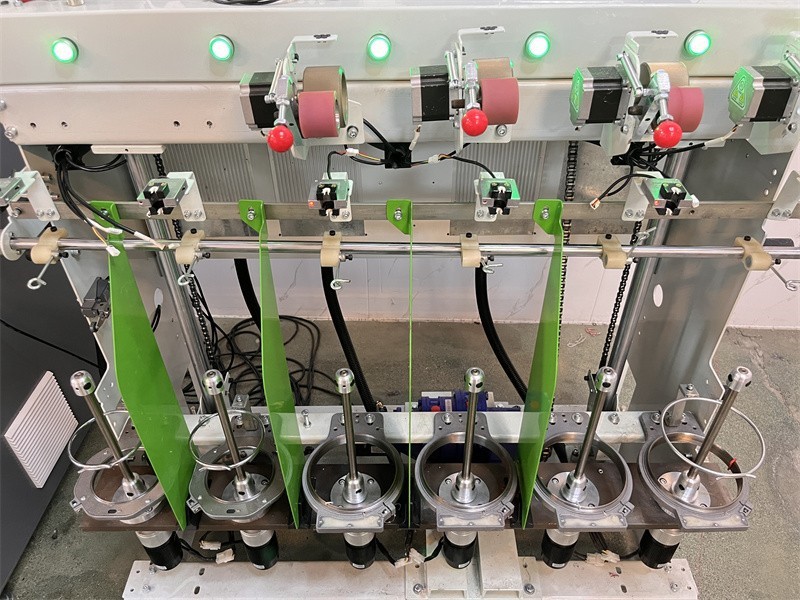
1. Speed and Output
The speed at which the machine can spin yarn is a major determinant of production efficiency. Some brands are known for their high - speed operation. For example, Brand A might be able to spin 10% more yarn per hour than Brand B. That means more output in the same amount of time, which is a huge plus for manufacturers who need to meet tight deadlines. If you're running a large - scale textile production, a machine with a higher speed can significantly increase your overall production volume.
2. Energy Consumption
Energy is a big expense in any manufacturing process. Different brands of air jet spinning machines have different energy consumption rates. Some machines are designed to be more energy - efficient, using less electricity or compressed air to achieve the same level of production. Brand C, for instance, has developed a new technology that reduces energy consumption by 15% compared to its competitors. Over time, these savings can add up, making the machine more cost - effective in the long run.
3. Yarn Quality and Consistency
The quality and consistency of the yarn produced also play a role in production efficiency. A machine that produces high - quality, consistent yarn reduces the amount of waste and rework. Brand D is renowned for its ability to produce yarn with a very low variation in thickness and strength. This means fewer defective products, which in turn leads to less time spent on fixing or discarding faulty yarn.
4. Maintenance Requirements
Let's not forget about maintenance. Some brands are easier to maintain than others. A machine that requires less frequent maintenance and has readily available spare parts will spend less time out of operation. Brand E has a reputation for its user - friendly design and a large network of service centers, ensuring that any issues can be quickly resolved. This minimizes downtime and keeps production running smoothly.
Comparing Popular Brands
Now, let's take a look at some of the popular brands in the market and how they stack up in terms of production efficiency.
Brand X
Brand X is known for its high - speed operation. It can produce a large volume of yarn in a short period. However, it has a relatively high energy consumption rate. If you're in an area where electricity is cheap and you need to churn out a large amount of yarn quickly, Brand X might be a good choice. But if energy costs are a concern, you might want to look elsewhere.
Brand Y
Brand Y focuses on energy efficiency. It uses advanced technology to reduce energy consumption without sacrificing too much on speed. It also produces very high - quality yarn with excellent consistency. The only downside is that it's a bit more expensive upfront. But considering the long - term savings on energy and reduced waste, it could be a wise investment.
Brand Z
Brand Z stands out for its low maintenance requirements. It has a simple yet robust design, and spare parts are easy to find. This means less downtime and more consistent production. However, its speed might not be as high as some of the other brands. If reliability and ease of maintenance are your top priorities, Brand Z could be the one for you.
Other Related Machines
While we're on the topic of yarn - making machines, there are a couple of other types that you might be interested in. For example, the Mop Yarn Twisting Machine is great for creating twisted mop yarn. It can improve the quality and durability of the mop yarn, making it more marketable. Another one is the Fluffing Yarn Machine, which is used to add a fluffy texture to the yarn, giving it a unique look and feel.
Making the Right Choice
So, how do you choose the right air jet spinning machine for your business? It all boils down to your specific needs and priorities. If you're looking to maximize output in a short time, speed should be your main focus. If cost - savings on energy are important, then energy efficiency is key. And if you want to minimize downtime and ensure consistent production, look for a machine with low maintenance requirements.
As a supplier, I'm here to help you make the best decision. I've worked with all these brands and can offer you in - depth advice based on your specific situation. Whether you're a small - scale startup or a large - scale manufacturer, I've got the knowledge and experience to guide you.
If you're interested in learning more about air jet spinning machines or any of our other yarn - making equipment, don't hesitate to reach out. We can have a detailed discussion about your requirements and find the perfect solution for your business. Let's work together to boost your production efficiency and take your textile business to the next level!
References
- Textile Machinery Handbook: A comprehensive guide on different types of textile machines and their performance metrics.
- Industry reports on air jet spinning machine technology and market trends.
- Manufacturer's specifications and user reviews of various air jet spinning machine brands.