

Hey there! As a supplier of Raising Machines, I often get asked a bunch of questions from customers. One of the most common ones is, "Can a raising machine be used for different thicknesses of materials?" Well, let's dig into this topic and find out.
First off, let's understand what a raising machine does. A Raising Machine is a key piece of equipment in the textile industry. Its main job is to create a soft, fuzzy surface on fabrics by raising the fibers. This process not only makes the fabric look better but also improves its comfort and warmth.
Now, back to the question at hand. The short answer is yes, a raising machine can generally handle different thicknesses of materials, but there are some factors to consider.
Factors Affecting the Use of Raising Machines for Different Thicknesses
1. Machine Design and Adjustability
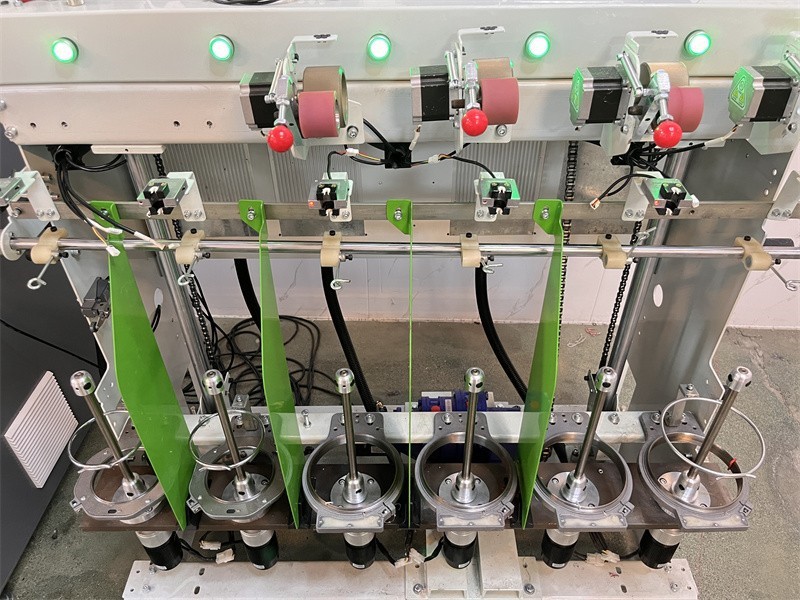
Modern raising machines are designed with a certain level of flexibility. They usually come with adjustable settings that allow operators to modify the machine's parameters according to the material's thickness. For example, the speed of the raising rollers can be adjusted. Thicker materials might require a slower speed to ensure that the fibers are properly raised without causing damage to the fabric. The pressure applied by the rollers can also be tweaked. If the material is thin, too much pressure could tear it, while for thicker materials, more pressure might be needed to penetrate the fabric and raise the fibers effectively.
2. Material Characteristics
Different materials have different properties, and this goes beyond just thickness. The type of fiber (natural or synthetic), the fabric's weave structure, and its elasticity all play a role. For instance, a thick cotton fabric with a loose weave might be easier to raise than a thin but tightly woven synthetic fabric. Cotton fibers are generally more flexible and easier to manipulate, while synthetic fibers can be more resistant. So, even if the thickness is different, the material's inherent characteristics need to be taken into account when using a raising machine.

3. Operator Skill
The person operating the raising machine also has a significant impact. An experienced operator can quickly assess the material and make the necessary adjustments to the machine. They know how to read the fabric's response to the raising process and can fine - tune the settings on the fly. For example, if they notice that the fibers on a thick material aren't being raised evenly, they can adjust the roller pressure or speed to correct the issue.
Advantages of Using a Single Raising Machine for Different Thicknesses
1. Cost - Efficiency
Investing in a single raising machine that can handle different thicknesses of materials is cost - effective for textile manufacturers. Instead of buying multiple machines for different fabric thicknesses, they can use one machine, which saves on both the initial purchase cost and the long - term maintenance cost.
2. Space Saving
In a textile factory, space is often at a premium. Having a single machine that can handle various thicknesses means less floor space is occupied by equipment. This allows the factory to use the available space more efficiently, perhaps for other production processes or storage.
3. Versatility
A versatile raising machine gives manufacturers the flexibility to take on different types of orders. They can work with a wide range of fabric thicknesses, which means they can serve a broader customer base. For example, they can produce both thin, lightweight summer fabrics and thick, warm winter fabrics using the same machine.
Limitations and Challenges
1. Extreme Thickness Differences
While a raising machine can handle a certain range of thicknesses, there are limits. If the difference in thickness between two materials is too extreme, it might be difficult to achieve optimal results with a single machine. For example, trying to raise a very thin silk fabric and a thick woolen blanket on the same machine might be challenging. The machine settings that work well for the silk might be completely inappropriate for the woolen blanket, and vice versa.
2. Wear and Tear
Using a raising machine for different thicknesses of materials can increase wear and tear on the machine. Thicker materials put more stress on the rollers, belts, and other moving parts. Over time, this can lead to more frequent breakdowns and a shorter lifespan for the machine. Regular maintenance is crucial to mitigate these issues, but it still adds to the overall cost of operation.
Other Related Machines in the Textile Industry
In addition to raising machines, there are other important machines in the textile industry. For example, the Mop Yarn Twisting Machine is used to twist yarns together to create mop yarns. This machine is designed to handle specific types of yarns and has its own set of features and functions.
Another one is the Yarn Steaming Machine. Yarn steaming is a process that helps to set the twist in the yarn, improve its appearance, and reduce shrinkage. It's an important step in the yarn - making process, especially for high - quality yarns.
Conclusion
So, to sum it up, a raising machine can indeed be used for different thicknesses of materials, but it's not without its challenges. The machine's design, the material's characteristics, and the operator's skill all play important roles in determining the success of the raising process. While there are advantages like cost - efficiency and versatility, there are also limitations, especially when dealing with extreme thickness differences.
If you're in the textile industry and are looking for a reliable raising machine that can handle a variety of material thicknesses, we're here to help. We offer high - quality raising machines with adjustable settings to meet your specific needs. Whether you're working with thin silk or thick wool, our machines can get the job done. Don't hesitate to reach out to us for more information or to start a procurement discussion. Let's work together to take your textile production to the next level.
References
- Textile Machinery Handbook, various editions
- Industry reports on textile manufacturing processes