

Hey there! As a supplier of twisting machines, I often get asked about how often these machines should be maintained. It's a crucial question because proper maintenance not only extends the lifespan of the machine but also ensures top - notch performance. So, let's dive right in and explore this topic.
Understanding the Basics of Twisting Machine Maintenance
Before we talk about the frequency, it's important to understand what maintenance involves. Twisting machines are complex pieces of equipment that have various moving parts, such as spindles, bobbins, and drive systems. Regular maintenance includes tasks like cleaning, lubrication, inspection for wear and tear, and replacement of damaged parts.
Cleaning is the first step in any maintenance routine. Dust, lint, and debris can accumulate on the machine over time, which can cause problems like overheating and reduced efficiency. Lubrication is also essential to keep the moving parts running smoothly. Without proper lubrication, friction can increase, leading to premature wear and even breakdowns.
Factors Affecting Maintenance Frequency
There isn't a one - size - fits - all answer to how often a twisting machine should be maintained. Several factors come into play:
Usage Intensity
If your twisting machine is running 24/7 in a high - volume production environment, it will need more frequent maintenance compared to a machine that's used only occasionally. For example, a machine in a large textile factory that produces thousands of yards of twisted yarn every day will experience more wear and tear than a machine in a small workshop that only runs a few hours a week.
Type of Twisting Machine
Different types of twisting machines have different maintenance requirements. For instance, a Fancy Twisting Machine Bobbin Composite Dual Color might have more complex components compared to a simpler single - color twisting machine. The more complex the machine, the more often it may need to be checked and serviced.

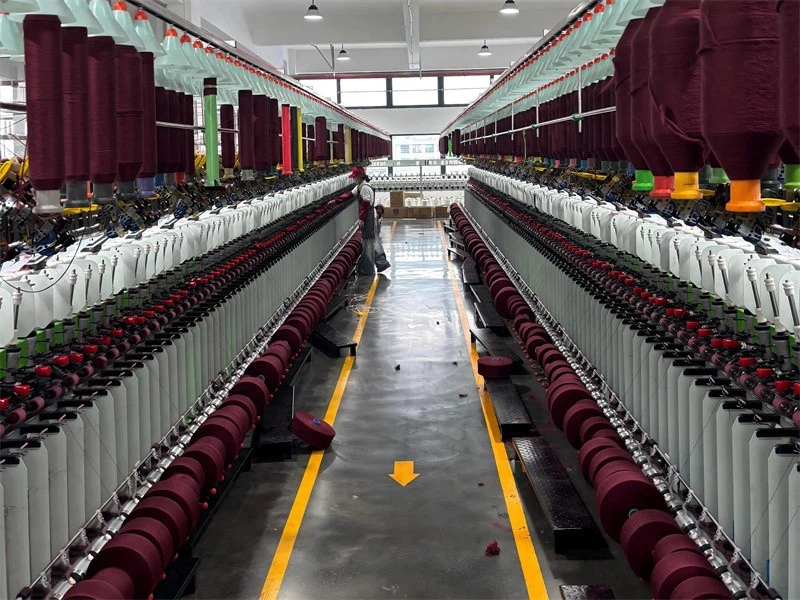
Quality of Raw Materials
The quality of the raw materials used in the twisting process can also impact maintenance frequency. If you're using low - quality yarn or fibers that generate a lot of dust and debris, the machine will get dirty faster and may require more frequent cleaning. On the other hand, high - quality materials are less likely to cause problems and may allow for longer intervals between maintenance.
General Maintenance Schedules
Based on my experience as a supplier, here are some general guidelines for maintenance schedules:
Daily Maintenance
- Cleaning: At the end of each day, it's a good idea to clean the machine thoroughly. Use a soft brush or compressed air to remove any dust and lint from the spindles, bobbins, and other exposed parts.
- Visual Inspection: Take a few minutes to visually inspect the machine for any obvious signs of damage or wear, such as loose belts, frayed wires, or cracked components.
Weekly Maintenance
- Lubrication: Check the lubrication levels of all moving parts and add lubricant as needed. Make sure to use the recommended type of lubricant for your specific machine.
- Tightening of Bolts and Nuts: Over time, vibrations can cause bolts and nuts to loosen. Use a wrench to check and tighten any loose fasteners.
Monthly Maintenance
- In - depth Inspection: Perform a more detailed inspection of the machine. Check the alignment of the spindles, the tension of the drive belts, and the functionality of the electrical components.
- Replacement of Consumable Parts: Replace any consumable parts, such as belts, bearings, or filters, if they show signs of excessive wear.
Quarterly Maintenance
- Calibration: Have the machine calibrated to ensure accurate twisting and consistent quality. This may require the use of specialized tools and expertise.
- Overall System Check: A comprehensive check of the entire machine system, including the hydraulic, pneumatic, and electrical systems, should be done quarterly.
Benefits of Regular Maintenance
Regular maintenance offers numerous benefits for both the machine and the business:
Improved Performance
A well - maintained twisting machine will operate more efficiently, producing higher - quality twisted yarn with fewer defects. This can lead to increased customer satisfaction and better market competitiveness.
Extended Lifespan
By addressing wear and tear early and keeping the machine in good condition, you can significantly extend its lifespan. This means you won't have to replace the machine as often, saving you money in the long run.
Reduced Downtime
Unexpected breakdowns can cause significant downtime, which can disrupt production schedules and result in lost revenue. Regular maintenance helps prevent these breakdowns, ensuring that the machine is always up and running when you need it.
Conclusion
In conclusion, the frequency of twisting machine maintenance depends on several factors, including usage intensity, machine type, and the quality of raw materials. By following a regular maintenance schedule, you can keep your machine in top shape, improve performance, and save money in the long term.
If you're in the market for a new twisting machine or need advice on maintaining your existing one, we're here to help. Whether you're interested in a Fancy Twisting Machine Ring Bobbin Single Color or a Ring Spindle Bobbin Dual Color Fancy Twisting Machine, we've got a wide range of options to meet your needs. Don't hesitate to reach out for more information and to start a procurement discussion.
References
- Textile Machinery Maintenance Handbook
- Industry Best Practices for Twisting Machine Operation and Maintenance