

Hey there! As a supplier of twisting machines, I've seen firsthand how setting up these machines for different production batches can be a game - changer for businesses. Whether you're dealing with small - scale test runs or large - scale mass production, getting the setup right is crucial. In this blog, I'll share some tips on how to set up a twisting machine for various production batches.
Understanding Your Production Batches
Before you even start thinking about setting up the twisting machine, you need to have a clear understanding of your production batches. What's the size of the batch? Is it a one - off custom order, or is it part of a regular production cycle? What kind of yarn or material are you working with? These questions will help you determine the best setup for your machine.
For small production batches, say less than 100 units, you might want to focus on flexibility. You'll likely be dealing with different types of yarns or unique twisting patterns. On the other hand, large production batches, like those over 1000 units, require a more streamlined and efficient setup to ensure consistent quality and high productivity.
Pre - Setup Checks
Once you've identified your production batch, it's time to do some pre - setup checks. First, clean the machine thoroughly. Dust, lint, and debris can affect the performance of the twisting machine, so use a soft brush and compressed air to clean all the components, including the spindles, bobbins, and guides.
Next, inspect the machine for any signs of wear and tear. Check the belts, gears, and bearings. If you notice any issues, replace the parts before starting the setup. A well - maintained machine is less likely to break down during production, which can save you a lot of time and money.
Adjusting the Machine for Different Batches
Small Production Batches
When it comes to small production batches, you'll often need to change the settings frequently. For example, if you're using the Bobbin Three Color Fancy Twisting Machine, you might want to experiment with different color combinations or twisting patterns.
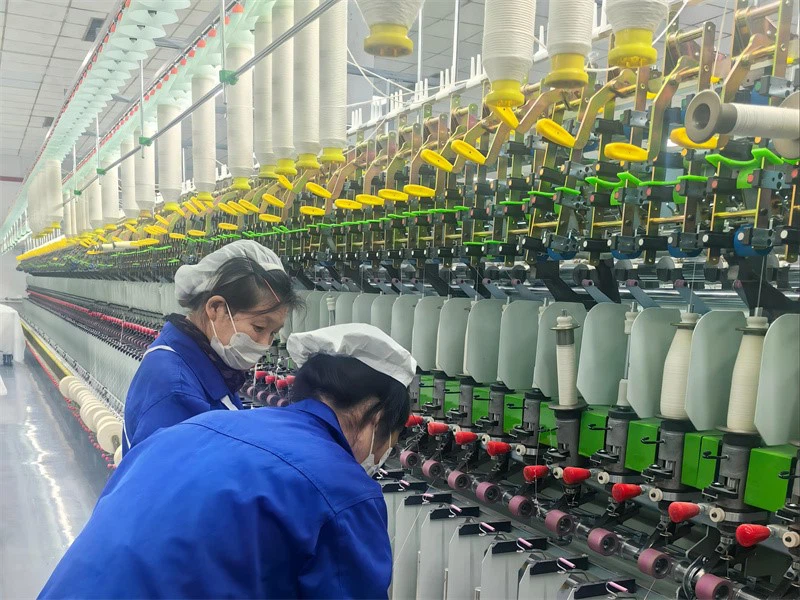
Start by adjusting the tension settings. The tension of the yarn affects the final appearance and quality of the twisted product. You can usually find the tension adjustment knobs near the bobbins. For a looser twist, reduce the tension; for a tighter twist, increase it.
Also, pay attention to the speed settings. Since small batches often involve more intricate work, you might want to run the machine at a slower speed to have better control over the process. Most modern twisting machines allow you to adjust the speed easily, either through a digital control panel or a manual speed regulator.
Medium Production Batches
Medium production batches, typically between 100 and 1000 units, require a balance between flexibility and efficiency. If you're using a Fancy Yarn Making Machine, you can set up a standard set of parameters that work well for the majority of the batch.
For example, determine the optimal number of twists per inch based on the type of yarn and the desired end - product. Once you've set the twist rate, make sure to monitor the machine closely during the initial runs to ensure that the quality is consistent. You may need to make minor adjustments to the tension or speed if you notice any variations in the twisted yarn.
Large Production Batches
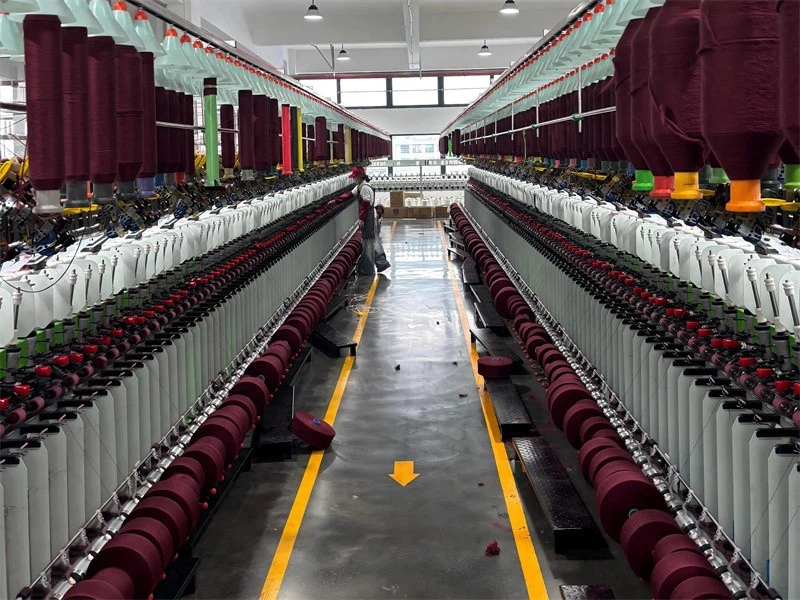
Large production batches demand a highly efficient setup. When using a Ring Spindle Bobbin Dual Color Fancy Twisting Machine, you'll want to focus on maximizing productivity while maintaining quality.
First, set up the machine for continuous operation. This might involve loading multiple bobbins at once and ensuring that the yarn feed is smooth and consistent. You can also adjust the machine to run at a higher speed, but make sure that the quality doesn't suffer.
Invest in automation and monitoring systems if possible. These can help you keep track of the production process, detect any issues early, and make adjustments automatically. For example, some machines come with sensors that can detect changes in tension or speed and adjust the settings accordingly.
Quality Control
Regardless of the production batch size, quality control is essential. After setting up the machine and starting the production, take samples at regular intervals. Check the twisted yarn for uniformity, color consistency, and strength.
If you find any issues, stop the machine immediately and make the necessary adjustments. It's better to address problems early in the production process than to end up with a large batch of defective products.
Training Your Staff
Another important aspect of setting up a twisting machine for different production batches is training your staff. Make sure that your operators are familiar with the machine's controls, settings, and maintenance procedures. Provide them with hands - on training and regular refresher courses to keep their skills up - to - date.
A well - trained staff can set up the machine more efficiently, troubleshoot problems quickly, and ensure that the production runs smoothly. Encourage your operators to share their feedback and suggestions for improvement, as they are the ones working with the machine on a daily basis.
Conclusion
Setting up a twisting machine for different production batches requires a combination of planning, adjustment, and quality control. By understanding your production needs, performing pre - setup checks, adjusting the machine settings appropriately, and implementing quality control measures, you can ensure that your production runs smoothly and efficiently, regardless of the batch size.
If you're interested in learning more about our twisting machines or need help with setting up your machine for specific production batches, don't hesitate to reach out. We're here to support you in achieving the best results for your business. Contact us today to start a conversation about your twisting machine needs and explore how we can help you optimize your production processes.
References
- Industry best practices for textile machinery setup
- Manufacturer's manuals for twisting machines