

Fluffing yarn machines play a crucial role in the textile industry, transforming ordinary yarns into fluffy and elastic products. As a supplier of Fluffing Yarn Machines, I have witnessed firsthand the remarkable changes that these machines bring to yarns. In this blog, we will explore the fluffing elasticity of yarn after being processed by a Fluffing Yarn Machine, delving into the factors that influence it and the significance of this property in various applications.
Understanding Fluffing Elasticity
Fluffing elasticity refers to the ability of a fluffed yarn to return to its original shape after being stretched or deformed. When a yarn is processed by a Fluffing Yarn Machine, the machine uses various mechanisms such as needles, brushes, or air jets to break up the fiber bundles and create a fluffy texture. This process not only increases the volume of the yarn but also affects its elasticity.
Elasticity is an important property of yarns as it determines how well the yarn can withstand stretching and deformation during use. In textile applications, elastic yarns are preferred for products such as clothing, upholstery, and industrial fabrics, as they provide comfort, durability, and a better fit.
Factors Influencing Fluffing Elasticity
Several factors can influence the fluffing elasticity of yarn after being processed by a Fluffing Yarn Machine. These factors include:
Fiber Type
Different types of fibers have different inherent elastic properties. Natural fibers such as cotton, wool, and silk tend to have relatively low elasticity compared to synthetic fibers such as polyester, nylon, and spandex. When processing these fibers with a Fluffing Yarn Machine, the resulting fluffing elasticity will be influenced by the fiber's natural characteristics. For example, wool fibers have a natural crimp that gives them some elasticity, which can be enhanced through the fluffing process.
Yarn Structure
The structure of the yarn before processing also plays a role in determining its fluffing elasticity. Yarns with a tighter twist tend to have less elasticity compared to loosely twisted yarns. When a tightly twisted yarn is fluffed, the twist can be partially or completely disrupted, which may affect its ability to return to its original shape. On the other hand, loosely twisted yarns are more easily fluffed and may exhibit better elasticity after processing.
Fluffing Machine Settings
The settings of the Fluffing Yarn Machine, such as the speed of the machine, the pressure applied, and the type of fluffing mechanism used, can have a significant impact on the fluffing elasticity of the yarn. For example, a higher machine speed may result in a more aggressive fluffing process, which can break up the fiber bundles more effectively but may also damage the fibers and reduce their elasticity. Similarly, applying too much pressure during the fluffing process can compress the fibers and reduce their ability to stretch and recover.
Post - processing Treatments
After the yarn has been fluffed, post - processing treatments such as heat setting, chemical treatments, or washing can also affect its fluffing elasticity. Heat setting can help to stabilize the fluffy structure of the yarn and improve its elasticity by setting the fibers in place. Chemical treatments, such as the application of softeners or elasticizers, can also enhance the yarn's elasticity and softness.
Measuring Fluffing Elasticity
There are several methods for measuring the fluffing elasticity of yarn. One common method is the tensile test, which involves stretching the yarn to a certain length and then measuring the force required to stretch it and the amount of recovery after the force is removed. The percentage of recovery is used as an indicator of the yarn's elasticity.
Another method is the loop test, where a loop of the fluffed yarn is formed and then stretched. The ability of the loop to return to its original shape after stretching is observed and evaluated.
Significance of Fluffing Elasticity in Different Applications
Clothing
In the clothing industry, fluffing elasticity is highly desirable as it allows the fabric to stretch and conform to the body's movements without losing its shape. Elastic yarns are commonly used in sportswear, underwear, and stretchy denim, providing comfort and a better fit. For example, in sportswear, elastic fluffed yarns can help to reduce the restriction of movement and improve the overall performance of the garment.
Upholstery
Upholstery fabrics made from fluffed elastic yarns are more durable and can withstand the wear and tear of daily use. The elasticity of the yarn allows the fabric to stretch and recover when subjected to pressure, such as when sitting on a sofa or chair. This helps to maintain the appearance of the upholstery over time and prevents the fabric from sagging or wrinkling.
Industrial Fabrics
In industrial applications, such as conveyor belts, filters, and geotextiles, fluffing elasticity is important for ensuring the proper functioning of the fabric. Elastic yarns can provide the necessary flexibility and resilience to withstand the mechanical stresses and strains encountered in these applications. For example, in conveyor belts, elastic fluffed yarns can help to reduce the friction between the belt and the rollers, improving the efficiency of the conveyor system.

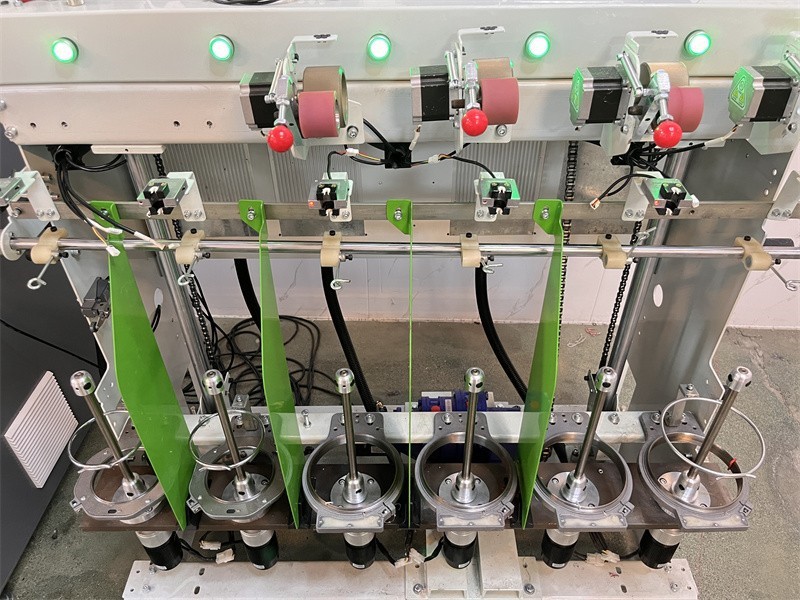
Our Fluffing Yarn Machines and Their Impact on Fluffing Elasticity
As a supplier of Fluffing Yarn Machines, we are committed to providing high - quality machines that can produce yarns with excellent fluffing elasticity. Our machines are designed with advanced technology and precision engineering to ensure that the fluffing process is carried out efficiently and effectively.
We offer a range of Fluffing Yarn Machines with different specifications and features to meet the diverse needs of our customers. Our machines are equipped with adjustable settings, allowing users to optimize the fluffing process according to the type of fiber, yarn structure, and desired fluffing elasticity.
In addition to our Fluffing Yarn Machines, we also provide comprehensive after - sales service and technical support to our customers. Our team of experts can assist customers in choosing the right machine for their specific requirements and provide guidance on how to achieve the best results in terms of fluffing elasticity.
Related Machines in the Yarn - making Process
In the yarn - making process, there are several other machines that are closely related to the Fluffing Yarn Machine. These machines can also have an impact on the final properties of the yarn, including its fluffing elasticity.
- Raising Machine: A raising machine is used to create a soft, fuzzy surface on the yarn or fabric. It can further enhance the fluffiness and elasticity of the fluffed yarn by raising the fibers on the surface.
- Mop Yarn Twisting Machine: This machine is used to twist the yarn, which can affect its structure and elasticity. By adjusting the twist level, the fluffing elasticity of the yarn can be optimized.
- Yarn Steaming Machine: A yarn steaming machine is used to set the shape and properties of the yarn. Steaming can help to improve the elasticity and stability of the fluffed yarn by relaxing the fibers and reducing internal stresses.
Contact Us for Your Yarn - making Needs
If you are in the textile industry and are looking for high - quality Fluffing Yarn Machines or other yarn - making equipment, we would be delighted to hear from you. Our team of experts can provide you with detailed information about our products, including their features, specifications, and performance. We can also offer customized solutions to meet your specific requirements.
Whether you are a small - scale manufacturer or a large - scale industrial enterprise, we have the right machines and services to help you produce yarns with excellent fluffing elasticity. Contact us today to start a discussion about your yarn - making needs and explore the possibilities of working together.
References
- Textile Science and Technology: Fundamentals of Yarn and Fabric Engineering, by Peter Lord and Mohamed H. Khalil
- Handbook of Fiber Science and Technology, Volume 1: High - Performance Fibers, by Menachem Lewin and Eli M. Pearce
- The Textile Institute: Yarn Spinning Principles and Practice, by R. H. Bradbury