

What is the noise level of a yarn machine?
As a supplier of yarn machines, understanding the noise level of our products is not only a matter of technical specification but also a crucial aspect for our customers. Noise can have a significant impact on the working environment, operator comfort, and even the overall productivity of a textile factory. In this blog, we will delve into the factors that influence the noise level of yarn machines, the typical noise levels of different types of yarn machines, and the importance of noise control in the textile industry.
Factors Influencing the Noise Level of Yarn Machines
The noise level of a yarn machine is affected by several factors, including the machine's design, the materials used, the speed of operation, and the maintenance status.
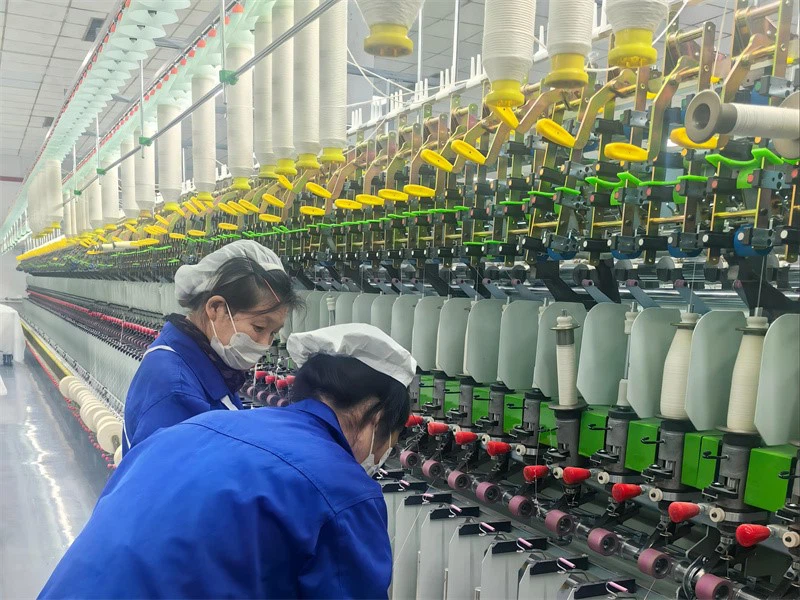

Machine Design: The design of a yarn machine plays a vital role in determining its noise level. Machines with well - engineered components and smooth - running mechanisms tend to produce less noise. For example, a machine with precision - made gears and bearings will operate more quietly than one with poorly manufactured parts. The layout of the machine also matters. A well - designed machine will minimize the vibration and resonance that can generate noise.
Materials Used: The materials used in the construction of the yarn machine can significantly affect its noise level. For instance, using high - quality, noise - absorbing materials in the machine's housing can reduce the amount of noise that escapes into the environment. Additionally, the type of yarn being processed can also influence the noise. Coarser yarns may cause more friction and noise during the twisting and spinning processes compared to finer yarns.
Speed of Operation: The speed at which a yarn machine operates is directly related to the noise level. Generally, the faster the machine runs, the louder it will be. This is because higher speeds increase the kinetic energy of the moving parts, leading to more intense vibrations and noise. For example, a high - speed spinning machine will produce more noise than a low - speed one.
Maintenance Status: Regular maintenance is essential for keeping the noise level of a yarn machine under control. Worn - out parts, such as belts, pulleys, and bearings, can cause increased noise. By replacing these parts in a timely manner and ensuring proper lubrication, the noise level of the machine can be reduced.
Typical Noise Levels of Different Yarn Machines
Different types of yarn machines have different noise levels. Here are some common types of yarn machines and their typical noise levels:
Ring Spindle Bobbin Dual Color Fancy Twisting Machine: This type of machine is used for creating fancy yarns with dual - color effects. The noise level of a Ring Spindle Bobbin Dual Color Fancy Twisting Machine can vary depending on its speed and design. On average, it can produce noise levels in the range of 70 - 80 decibels (dB) when operating at normal speeds. At higher speeds, the noise level may increase to around 85 - 90 dB.
Two Roller Two Empty Bobbins Fancy Twisting Machine: The Two Roller Two Empty Bobbins Fancy Twisting Machine is another popular choice for fancy yarn production. This machine typically has a noise level of around 75 - 85 dB during normal operation. Similar to other machines, the noise level will rise as the speed increases.
Fancy Yarn Making Machine: A Fancy Yarn Making Machine is designed to create a variety of fancy yarns. The noise level of this machine can range from 70 - 90 dB, depending on its complexity and operating speed.
Importance of Noise Control in the Textile Industry
Controlling the noise level in a textile factory is of utmost importance for several reasons:
Operator Health and Safety: Prolonged exposure to high - level noise can cause hearing loss, stress, and other health problems for the operators. By reducing the noise level of yarn machines, we can protect the health and well - being of our workers.
Productivity: Excessive noise can be a distraction for the operators, leading to reduced productivity. A quieter working environment allows the operators to focus better on their tasks, resulting in higher quality products and increased efficiency.
Compliance with Regulations: Many countries have strict regulations regarding noise levels in the workplace. By ensuring that our yarn machines meet these regulations, we can avoid potential legal issues and fines.
Strategies for Reducing the Noise Level of Yarn Machines
To reduce the noise level of our yarn machines, we can implement several strategies:
Use of Noise - Absorbing Materials: As mentioned earlier, using noise - absorbing materials in the machine's housing can effectively reduce the noise that escapes. These materials can absorb and dampen the vibrations, thereby reducing the overall noise level.
Vibration Isolation: Installing vibration - isolating mounts under the machine can help reduce the transmission of vibrations to the floor and surrounding structures. This can significantly reduce the noise level in the factory.
Regular Maintenance: As discussed, regular maintenance is crucial for keeping the noise level under control. By replacing worn - out parts and ensuring proper lubrication, we can prevent the machine from producing excessive noise.
Design Improvements: Continuously improving the design of our yarn machines can also lead to lower noise levels. This can include optimizing the layout of the machine, using more efficient components, and reducing the number of moving parts.
Conclusion
In conclusion, the noise level of a yarn machine is influenced by various factors, including design, materials, speed, and maintenance. Different types of yarn machines have different typical noise levels, and it is important to control the noise level in the textile industry for the health and safety of the operators, productivity, and compliance with regulations. As a yarn machine supplier, we are committed to providing high - quality machines with low noise levels. We use advanced technologies and materials to reduce the noise generated by our machines, and we also offer maintenance services to ensure that our machines operate quietly and efficiently.
If you are interested in purchasing our yarn machines or have any questions about noise control in the textile industry, please feel free to contact us for further discussions and procurement negotiations. We look forward to working with you to meet your textile production needs.
References
- Textile Machinery Handbook, various editions
- Research papers on noise control in the textile industry from academic journals