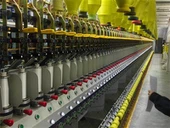
Yarn processing machinery is core equipment in the textile industry, and its stable operation is directly related to production efficiency and product quality. To ensure the long-term and efficient operation of machinery, scientific maintenance measures are crucial. This article will systematically explain the maintenance methods for yarn processing machinery, covering daily maintenance, regular inspections, common fault prevention, and maintenance precautions.
Daily Maintenance: Basic but Critical
Daily maintenance is the first line of defense in maintaining yarn processing machinery, primarily including cleaning, lubrication, and tightening.
1. Cleaning: Yarn processing easily generates lint, oil, and dust, which can clog machine components and accelerate wear. Operators should use a soft brush or compressed air daily to clean dust from the surface and interior of the equipment, especially from rollers, spindles, yarn guides, and other areas prone to dirt accumulation.
2. Lubrication: Machinery operation depends on the smooth movement of components such as bearings and gears. Insufficient lubrication can increase friction and even cause seizures. Lubrication must be performed strictly according to the lubricant type and lubrication cycle specified in the equipment manual. Avoid excessive use or the use of inferior oil.
3. Tightening: Vibration and prolonged operation can loosen bolts, leading to mechanical misalignment or abnormal noise. Check the tightness of key components, such as the motor base and drive pulleys, daily and retighten as necessary.
Regular Inspection: The Core of Preventive Maintenance
In addition to routine maintenance, regular inspections (usually performed weekly, monthly, or quarterly) can thoroughly identify potential problems and extend equipment life.
1. Component Inspection: Focus on the wear of wearing parts (such as top rollers, rollers, rings, and travellers). For example, excessive ring wear can lead to uneven yarn tension and requires prompt replacement. Cracks or hardening on the top roller surface require polishing or replacement.
2. Electrical System Inspection: Electrical failures are a common cause of machine downtime. Regularly check the wiring of the motor, sensors, and control panel for deterioration or looseness, ensure stable voltage, and clean the cooling fan to prevent overheating.
3. Drive System Maintenance: The tightness of belts, chains, and gears directly affects power transmission efficiency. If you notice belt slippage or chain skipping, adjust the tension or replace components. Check the oil level and quality in the gearbox to prevent wear caused by poor lubrication.
Preventative Measures for Common Faults
Taking targeted preventative measures against frequent faults in yarn processing machinery can significantly reduce the risk of downtime.
1. Yarn breakage: This is often caused by uneven tension, misaligned yarn guides, or a clogged yarn path. During maintenance, ensure that the yarn guides are clean and aligned, and that the tension adjustment device is sensitive and reliable.
2. Abnormal mechanical noise: This is usually caused by bearing damage or poor gear meshing. Regularly monitor the operating sound of the equipment and immediately stop and inspect any abnormalities to prevent minor problems from escalating.
3. Electrical Faults: Sudden shutdowns or control failures may be caused by short circuits or aging components. It is recommended that a professional electrician test the circuits every six months and back up key parameters to prevent data loss.
Maintenance Precautions
1. Standard Operation: Untrained personnel are prohibited from adjusting mechanical parameters or disassembling core components to prevent damage.
2. Environmental Control: Maintain stable workshop temperature and humidity (generally recommended temperature: 20-30°C, humidity: 50-60%) to prevent high temperatures and humidity from accelerating corrosion of metal parts or failure of electronic components.
3. Record Management: Detailed records of the time, content, and parts replaced during each maintenance session facilitate tracking equipment status and developing more precise maintenance plans.
Maintenance of yarn processing machinery is not a one-time task; it is a systematic process throughout the equipment's lifecycle. Through rigorous daily maintenance, scientifically-based scheduled inspections, and proactive fault prevention, companies can not only reduce unplanned downtime losses but also improve product quality and production safety. Only by integrating maintenance awareness into daily management can equipment efficiency be maximized.