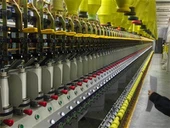
As a core link in the textile industry chain, yarn processing machinery's technological development and market dynamics directly impact the competitiveness and sustainability of the global textile industry. In recent years, with the deepening adoption of intelligent manufacturing, green and low-carbon concepts, and the rise of emerging markets, the yarn processing machinery industry has undergone profound changes. This article will explore future trends in this sector from the perspectives of technological innovation, market demand, sustainable development, and industry challenges.
I. Deep Integration of Intelligent and Automated Technologies
Currently, yarn processing machinery is rapidly moving toward intelligence. The application of Industrial Internet of Things (IIoT), artificial intelligence (AI), and machine learning technologies has enabled equipment to possess real-time monitoring, fault prediction, and adaptive adjustment capabilities. For example, production data collected through sensor networks and combined with AI algorithms to optimize spinning tension control and energy management significantly improves production efficiency and product quality. Furthermore, the introduction of collaborative robots (Cobots) has further reduced the need for manual intervention, driving the transformation of yarn processing toward "unmanned workshops."
II. Green Manufacturing and Sustainable Development Demand Drive Innovation
Increasingly stringent environmental regulations and downstream brands' pursuit of low-carbon supply chains are forcing the yarn processing machinery industry to accelerate the development of green technologies. On the one hand, high-efficiency, energy-saving motors, heat recovery systems, and low-energy processes have become key design criteria for equipment. On the other hand, the development of bio-based fiber and recycled yarn processing equipment is helping the industry reduce its carbon footprint. For example, some companies have launched spinning solutions that support the recycling of waste textiles, promoting closed-loop resource utilization.
III. Regional Market Differentiation and Opportunities in Emerging Economies
Global demand for yarn processing machinery exhibits significant regional disparities. Emerging markets such as Southeast Asia and South Asia, driven by labor cost advantages and a surge in textile industry investment, are experiencing the fastest growth in equipment purchases, particularly for cost-effective, flexible mid-range machines. In contrast, developed countries in Europe and the United States are focusing more on high-end, customized equipment to meet the demand for refined production of functional yarns (such as antibacterial and conductive fibers). China, the world's largest yarn machinery producer, is seizing high-end market share through technological upgrades and the internationalization of its local brands.
IV. Industry Challenges and Future Outlook
Despite its promising prospects, the yarn processing machinery industry faces multiple challenges: raw material price fluctuations, geopolitical risks, and pressure for technological iteration may impact supply chain stability; and the high costs of digital transformation for small and medium-sized enterprises hinder the widespread adoption of intelligent manufacturing. Going forward, the industry will need to navigate a complex and volatile market environment through cross-sector collaboration (such as collaborative innovation with materials scientists and software developers), strengthening standards systems, and improving after-sales service networks.
Conclusion
The future of the yarn processing machinery industry will revolve around the three core principles of "intelligence, greenness, and efficiency." Only by continuously investing in R&D and keenly understanding changing demand can companies maintain their competitive advantage in this new round of industrial upgrading. As the global textile industry moves toward higher value-added sectors, technological breakthroughs in yarn processing machinery will become a key driver of value growth in the industry chain.