

The weight of a Chenille Yarn Machine With Straight Circular Blade is a crucial factor that affects its installation, transportation, and overall performance. As a leading supplier of Chenille Yarn Machine with Straight Blade, we understand the significance of this parameter and are here to provide you with detailed insights.
Understanding the Importance of Machine Weight
The weight of a Chenille Yarn Machine With Straight Circular Blade plays a vital role in several aspects. Firstly, it impacts the stability of the machine during operation. A heavier machine is generally more stable, which can lead to more consistent yarn production and fewer vibrations. This stability is essential for maintaining the quality of the chenille yarn, as excessive vibrations can cause uneven cutting and affect the overall appearance of the final product.
Secondly, the weight of the machine is a key consideration for transportation and installation. Heavier machines may require specialized equipment for moving and installing, which can add to the overall cost. On the other hand, a lighter machine may be easier to transport and install, but it may also sacrifice some stability.
Thirdly, the weight of the machine can affect its energy consumption. A heavier machine may require more power to operate, which can increase the running costs. Therefore, finding the right balance between weight, stability, and energy efficiency is crucial for optimizing the performance of the Chenille Yarn Machine With Straight Circular Blade.
Factors Affecting the Weight of the Machine
Several factors contribute to the weight of a Chenille Yarn Machine With Straight Circular Blade. The first factor is the size and capacity of the machine. Larger machines with higher production capacities generally weigh more than smaller ones. This is because they require more materials and components to support the increased production.
The second factor is the type of materials used in the construction of the machine. Machines made from high - quality, heavy - duty materials such as steel will weigh more than those made from lighter materials. However, heavy - duty materials often offer better durability and reliability, which can be beneficial in the long run.
The third factor is the additional features and accessories of the machine. For example, a machine with advanced control systems, automatic lubrication systems, or other additional functions may weigh more due to the extra components.
Typical Weight Range of Chenille Yarn Machines With Straight Circular Blade
Based on our experience as a supplier, the weight of a Chenille Yarn Machine With Straight Circular Blade can vary significantly depending on the factors mentioned above. Small - scale machines with a relatively low production capacity may weigh around 500 - 1000 kilograms. These machines are suitable for small - scale production or for use in laboratories and research facilities.
Medium - sized machines, which are commonly used in medium - scale textile factories, typically weigh between 1000 - 2500 kilograms. These machines offer a good balance between production capacity and manageability.
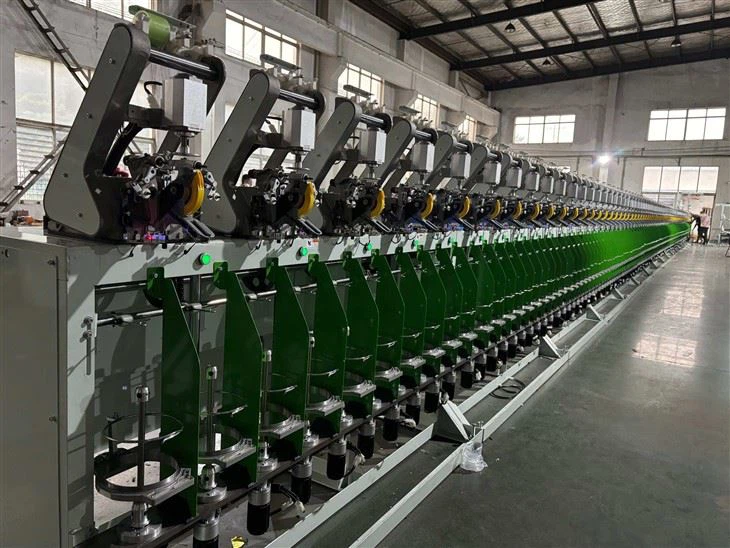

Large - scale industrial machines with high production capacities can weigh over 2500 kilograms. These machines are designed for large - scale textile production and are often used in large factories.
Comparison with Other Types of Chenille Yarn Machines
When comparing the weight of a Chenille Yarn Machine With Straight Circular Blade with other types of chenille yarn machines, such as the High Speed Chenille Machine Plus and the Chenille Yarn Machine with Rotary Blade, there are some differences.
The High Speed Chenille Machine Plus is designed for high - speed production. It may have a similar weight range to the Chenille Yarn Machine With Straight Circular Blade, depending on its size and capacity. However, due to its high - speed operation, it may require more robust construction, which could potentially increase its weight.
The Chenille Yarn Machine with Rotary Blade has a different cutting mechanism compared to the machine with a straight circular blade. The weight of this machine can also vary depending on its size and features. In general, the weight differences between these types of machines are mainly due to the differences in their design and construction.
How to Determine the Right Weight for Your Needs
When choosing a Chenille Yarn Machine With Straight Circular Blade, it is important to consider your specific needs and requirements. If you have limited space and budget for transportation and installation, a lighter machine may be more suitable. However, if you need high - quality and stable production, a heavier, more robust machine may be a better choice.
You should also consider the long - term costs, including energy consumption and maintenance. A heavier machine may consume more energy, but it may also require less maintenance due to its better durability.
Conclusion
In conclusion, the weight of a Chenille Yarn Machine With Straight Circular Blade is an important parameter that affects its performance, transportation, installation, and cost. As a supplier, we offer a wide range of machines with different weights to meet the diverse needs of our customers. Whether you are a small - scale producer or a large - scale industrial manufacturer, we can help you find the right machine for your specific requirements.
If you are interested in our Chenille Yarn Machine With Straight Circular Blade or have any questions about its weight, performance, or other aspects, please feel free to contact us for further discussion and procurement negotiation. We are committed to providing you with the best products and services to help you achieve your production goals.
References
- Textile Machinery Handbook: A comprehensive guide to various types of textile machines, including chenille yarn machines.
- Industry reports on the development and trends of chenille yarn production technology.