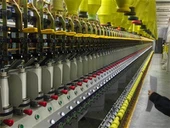
Yarn winding machines are critical equipment in textile production, and their operating efficiency directly impacts yarn quality and production efficiency. Mastering proper operating techniques not only extends equipment life but also reduces problems such as yarn breakage and loose yarn, thereby improving production stability.
1. Pre-operation Inspection
Before starting the winding machine, check that the yarn tension system is balanced, the yarn guide is correctly positioned, and that the winding bobbin is securely installed. Regularly clean the machine's surface and interior to prevent lint and impurities from accumulating and affecting operating accuracy. Additionally, check the lubrication of the motor and transmission components to avoid excessive friction that increases energy consumption and mechanical wear.
2. Tension Control
Yarn tension is a key factor in winding quality. Tension parameters should be adjusted according to the yarn type (e.g., polyester, cotton, etc.). Generally, light yarns require lower tension, while coarse yarns can be adjusted to a higher tension. Modern winding machines are often equipped with automatic tension control systems, but operators still need to regularly calibrate the sensors to ensure accurate data. When making manual adjustments, gradual fine-tuning is recommended to avoid sudden changes that may cause yarn breakage.
3. Winding Speed and Forming Optimization
The winding speed must match the yarn characteristics. High-speed operation is suitable for high-strength yarns, but machine vibration should be monitored. If uneven formation (such as overlapping or collapsed yarn edges) is observed, the yarn guide reciprocating frequency or winding angle can be adjusted. Some models support variable-speed winding, which achieves a tighter bobbin structure by controlling the speed in stages.
4. Maintenance and Troubleshooting
Daily maintenance includes cleaning broken yarn residue, checking electrical connections, and regularly replacing worn parts (such as yarn guide eyelets). Frequent yarn breakages may indicate problems with the yarn quality or loose machine components. It is recommended to maintain an operation log to record each parameter adjustment to facilitate subsequent optimization of the production process.
Through scientific operation and regular maintenance, yarn winders can maintain efficient and stable operation over the long term, reducing production costs and improving product consistency.