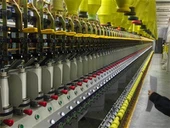
Twisting machines are essential equipment in the textile industry for twisting multiple single yarns into plied yarn. The standardization of their operation directly impacts yarn quality and production efficiency. This article explains how to use twisting machines from three perspectives: equipment preparation, operating procedures, and key maintenance points.
I. Equipment Preparation and Commissioning
Before operation, check the integrity of all twisting machine components, including rollers, spindles, drive system, and tensioning device. Adjust twist parameters based on yarn type (e.g., cotton, polyester), and achieve precise twisting by controlling spindle speed and yarn guide hook spacing. Ensure even arrangement of the incoming yarn to avoid cross-entanglement. Clean the roller surfaces of residual fibers to prevent friction damage.
II. Standardized Operating Procedures
Before starting, perform a test run at low speed. After confirming there are no abnormal sounds, gradually increase the speed to the set speed. Maintain stable tension during yarn feeding. Yarn tension can be balanced by adjusting spring pressure or using a pneumatic device. If yarn breaks, stop the machine immediately and manually adjust the splice point after rethreading to ensure the splice strength matches the original yarn. After production is complete, any remaining yarn must be cleared, and data such as twist and end-breakage rate during the shift must be recorded for process optimization.
III. Maintenance and Troubleshooting
Regularly lubricate bearings and gear trains, and check electrical wiring insulation to prevent downtime due to frictional overheating or short circuits. Common faults such as uneven twist are often caused by roller eccentricity or spindle wear and require component calibration or replacement. Operators should receive professional training and be familiar with emergency stop devices and safety precautions to avoid accidents during high-speed operation.
Mastering scientific twisting machine operation techniques, combined with real-time process adjustments and preventive maintenance, can significantly improve yarn evenness and equipment life, laying a quality foundation for subsequent weaving processes.